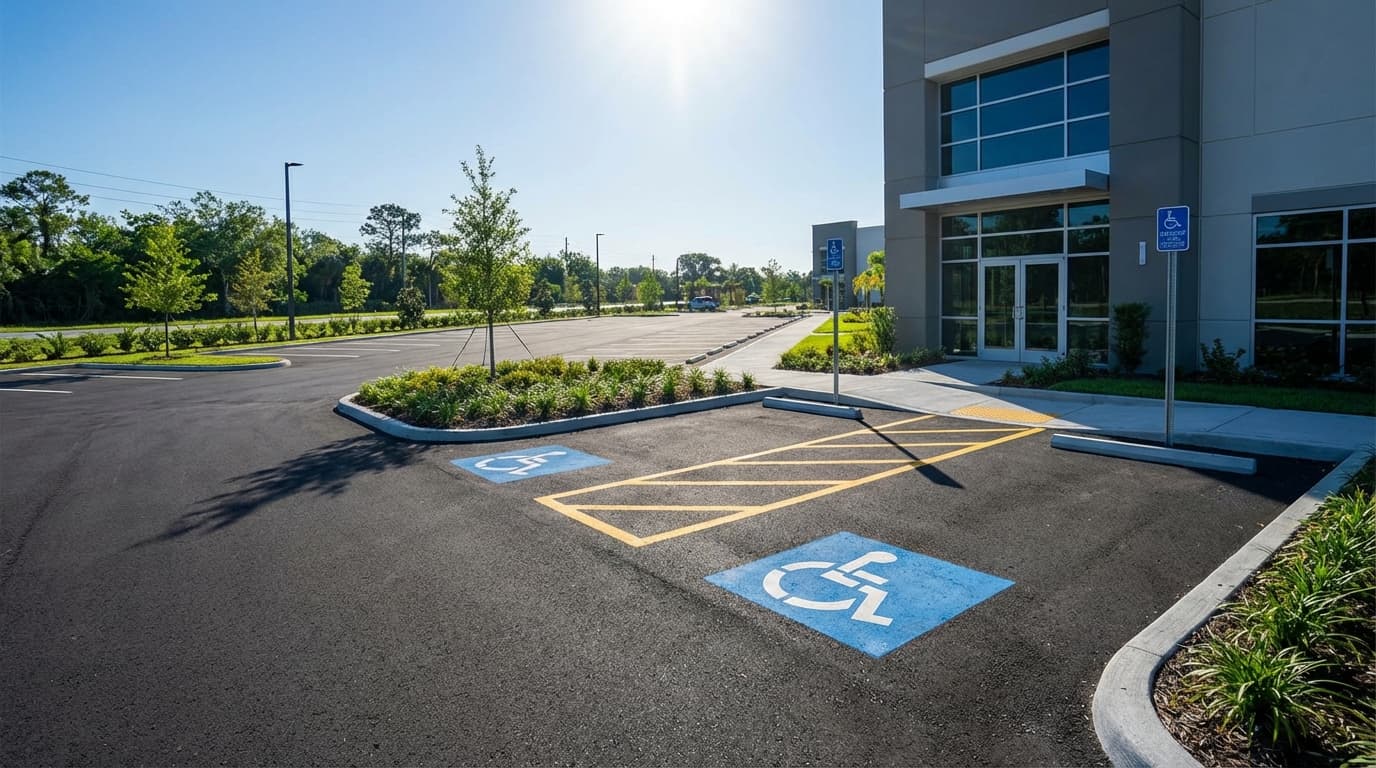
Best Time to Sealcoat Your Parking Lot in New Jersey
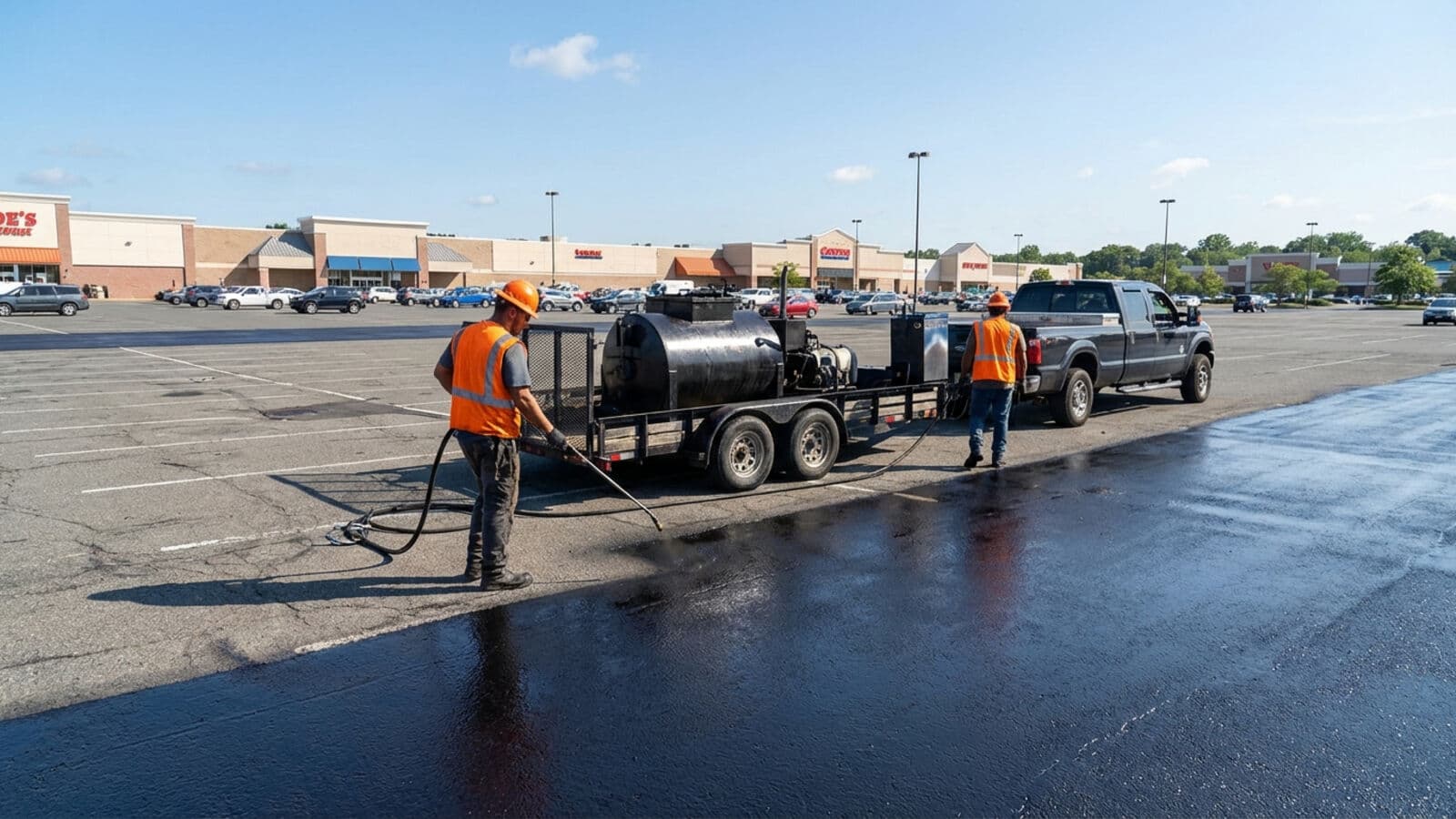
Sealcoating is one of the most cost-effective ways to extend the life of your asphalt parking lot. But applying it at the wrong time can turn a smart investment into wasted money. In New Jersey, where we deal with everything from humid summers to freeze-thaw cycles in winter, timing your sealcoat application correctly is essential.
At Sterling Pavement, we've sealcoated hundreds of commercial parking lots and driveways across New Jersey. In this guide, we'll walk you through exactly when to schedule your sealcoating project, what conditions to look for, and how to get the longest-lasting results from every application.
Why Timing Matters for Sealcoating
Sealcoat isn't paint. It's a protective emulsion — typically coal tar or asphalt-based — that needs specific environmental conditions to bond properly with your pavement and cure into a durable, flexible surface. Apply it under the wrong conditions, and you'll see peeling, tracking, uneven coverage, or premature failure.
Here are the four conditions that must be met for a successful sealcoat application:
- Temperature must be 50°F or above and rising. Both air and surface temperature matter. If the pavement is cold, the sealant won't bond properly regardless of what the thermometer says about the air.
- Humidity should be below 50% for ideal results. High humidity slows evaporation, which delays curing and can leave the surface tacky or uneven. While we can work in moderate humidity, the lower it is, the better the final result.
- The surface must be completely dry. Any moisture trapped under the sealant will prevent adhesion. We need dry pavement — no puddles, no damp patches, no morning dew still evaporating.
- The sealant needs 24 to 48 hours to cure. That means no rain, no traffic, and no overnight temperatures dropping below 50°F during the curing window. This is often the hardest condition to guarantee, which is why weather forecasting plays a major role in scheduling.
The Ideal Temperature Window: 50°F+ and Rising
You'll often hear that sealcoating requires temperatures above 50°F. That's true, but there's a critical detail most people miss: the temperature needs to be 50°F and rising, not just above 50°F.
Here's why the "and rising" part matters so much. When we apply sealcoat in the morning as temperatures are climbing — say it's 55°F at 8 AM heading toward 75°F by afternoon — the sealant gets warmer throughout the day. Warmer temperatures accelerate evaporation of the water in the emulsion, which is exactly how sealcoat cures. The sealant firms up steadily, bonding tightly to the asphalt.
Now consider the opposite scenario. If we apply at 3 PM when it's 70°F but the temperature is falling toward 45°F overnight, the curing process slows dramatically as evening approaches. If it drops below 50°F before the sealant has set, the emulsion can fail to coalesce. You end up with a surface that looks sealed but hasn't actually formed a continuous protective film. Within weeks, it starts flaking and wearing away.
In New Jersey, this is especially important during the shoulder seasons — April, May, September, and October — when daytime highs might reach the mid-60s but overnight lows can dip into the upper 30s or low 40s. We always check the full 48-hour forecast, not just the high temperature for the day of application.
NJ Sealcoating Season Breakdown
New Jersey's climate gives us a solid sealcoating window from roughly mid-April through late October, depending on the year. Here's how each season stacks up:
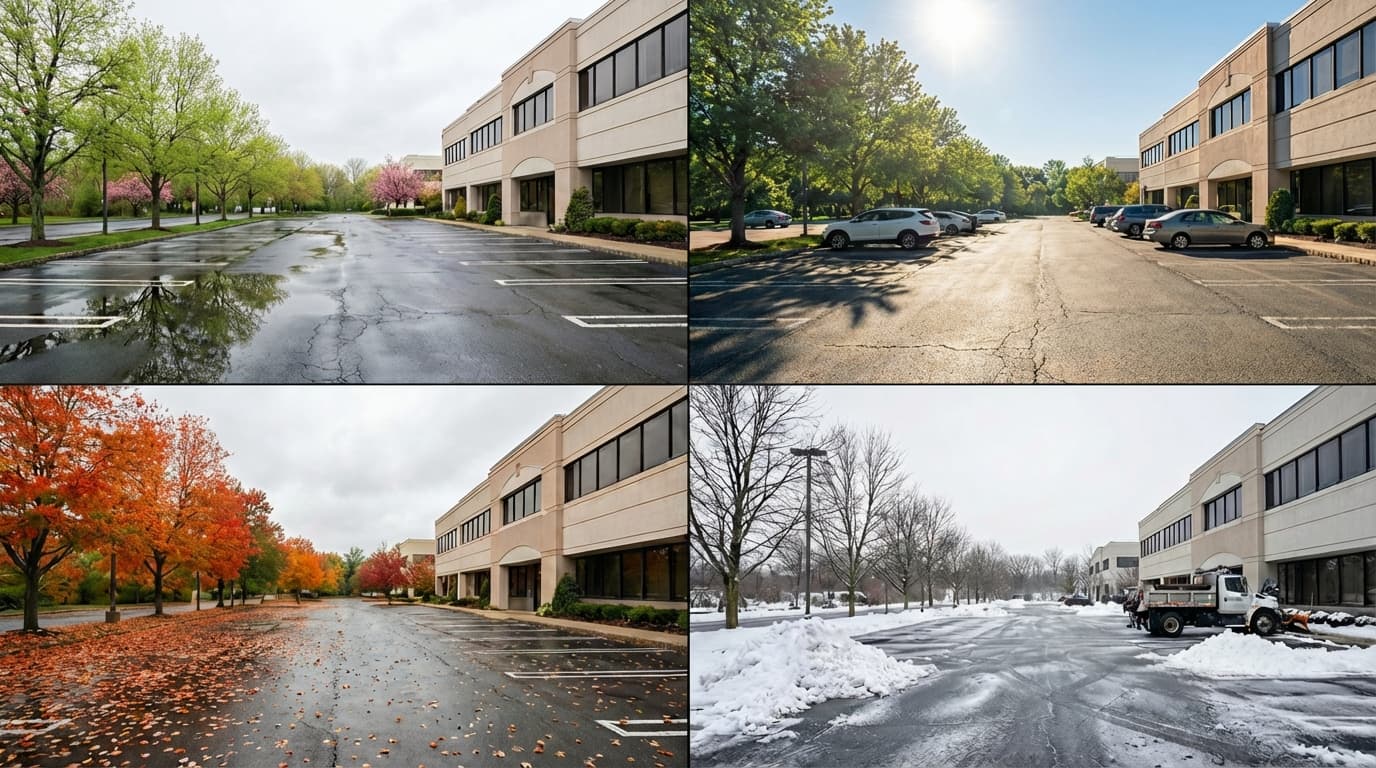
Spring (April through May)
Spring is a good time for sealcoating, but it comes with caveats. By mid-April, daytime temperatures in most of New Jersey regularly reach the mid-50s to low 60s, which meets our minimum threshold.
The biggest challenge in spring is rain. April and May are among New Jersey's wetter months, averaging around 4 inches of precipitation each. We need at least 24 hours of dry weather after application, so spring scheduling requires flexibility and close attention to forecasts.
There's another factor many contractors overlook: ground temperature lags behind air temperature in spring. Even when the air hits 60°F, the pavement surface might still be in the upper 40s if we've just come out of a cold snap. We always check surface temperature with an infrared thermometer before applying.
Summer (June through August)
Summer is peak sealcoating season in New Jersey, and for good reason. Daytime temperatures consistently range from the mid-70s to upper 80s, overnight lows stay well above 50°F, and the long daylight hours give the sealant maximum curing time.
The conditions are ideal, but that also means every property manager in the state wants their lot done at the same time. If you're planning a summer sealcoat, we recommend booking at least four to six weeks in advance to secure your preferred dates. Waiting until July to call for a July application often means you're looking at an August or September slot instead.
Summer thunderstorms can cause occasional delays, but they're typically short-lived and the hot, dry conditions before and after make up for any interruptions.
Fall (September through October)
Fall offers the last reliable window for sealcoating in New Jersey. September is often excellent — warm days, lower humidity than summer, and less rain than spring. Early October can work well too, particularly in southern New Jersey where temperatures stay milder a few weeks longer.
The risk in fall is overnight temperatures. By mid-October, overnight lows in northern New Jersey can drop into the upper 30s. Even if the daytime high reaches 65°F, that overnight dip below 50°F can compromise curing. We watch the forecast carefully and may recommend waiting until the following spring if conditions aren't cooperating.
That said, fall sealcoating has a major strategic advantage we'll discuss later in this article.
Winter (November through March)
Winter is not sealcoating season in New Jersey. Temperatures are too low, precipitation is too frequent, and even on the occasional mild January day, overnight temperatures will almost certainly drop below the 50°F threshold.
However, winter is the perfect time to plan and budget. If you know your lot will need sealcoating in the spring, use the winter months to get quotes, schedule your project, and address any repairs — like crack sealing or pothole patching — that should be completed before sealcoat goes down.
How to Tell Your Lot Needs Sealcoating
Not sure whether your parking lot is due for a sealcoat? Here are five reliable indicators:
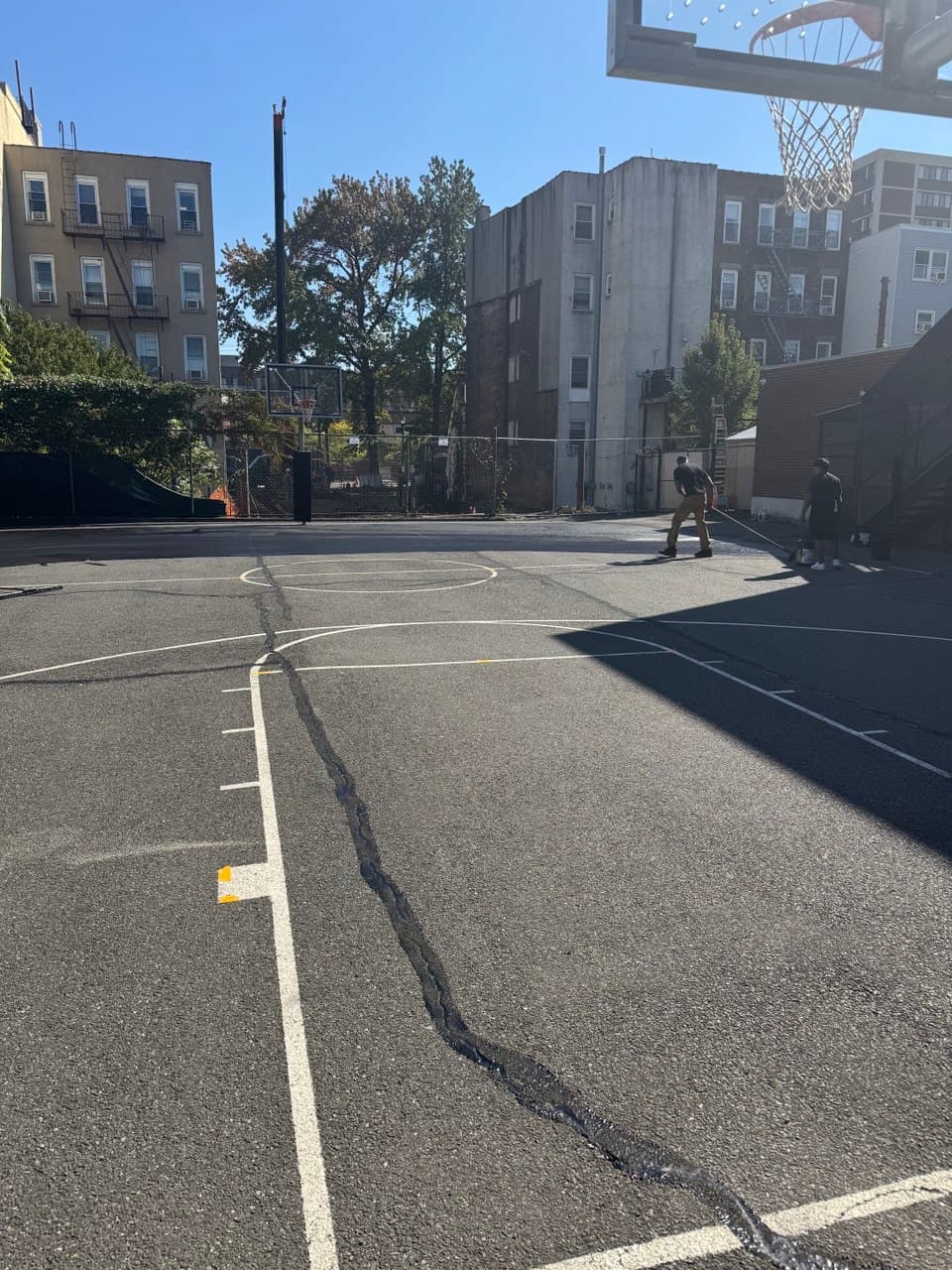
- Color has faded from black to gray. Fresh asphalt and recently sealed pavement are rich, dark black. As the surface oxidizes and wears, it fades to a dull gray. This isn't just cosmetic — that gray color means the binder that holds the aggregate together is breaking down.
- You can see aggregate and small stones on the surface. When the top layer of binder wears away, the small stones and sand in the asphalt mix become exposed. Run your hand across the surface — if it feels rough and gritty like sandpaper, the protective layer is gone.
- Small hairline cracks are appearing. Hairline cracks — sometimes called surface cracks or spider cracking — are early signs of oxidation. Sealcoating can fill and seal these micro-cracks before they widen into structural problems. Once cracks grow wider than a quarter inch, they need dedicated crack sealing before sealcoating.
- It's been two to three years since the last sealcoat. Even if the surface looks acceptable, sealcoat protection diminishes over time. For commercial lots with regular traffic, we recommend re-sealing every two to three years as a preventive measure.
- Water no longer beads on the surface. A well-sealed surface will cause water to bead and sheet off. If rain water soaks into the pavement and leaves dark wet spots that linger, the seal has worn through and moisture is penetrating the asphalt.
If you're noticing any of these signs, it's time to schedule a parking lot sealcoating consultation. The earlier you act, the less expensive the maintenance.
How Weather Affects Curing
Application is only half the job. The curing process over the following 24 to 48 hours is just as important as the application itself. Here's how different weather conditions affect drying:
- Rain within 24 hours can wash away uncured sealant. This is the single biggest risk. If rain hits before the sealant has dried, it can dilute the emulsion, create streaks, wash sealant into drains, and leave bare spots. In severe cases, the entire application needs to be redone.
- Overnight temperatures below 50°F slow or stop curing. The coalescence process — where the sealant particles merge into a continuous film — requires warmth. Below 50°F, the particles don't fully merge. The result is a brittle, powdery surface instead of a smooth, flexible seal.
- Direct sunlight accelerates curing. UV exposure and radiant heat from the sun help drive off moisture faster. Lots that are heavily shaded by buildings or trees may take longer to cure and should ideally be done earlier in the day when sun exposure is maximized.
- Moderate wind helps evaporation. A light breeze moves humid air away from the surface and promotes even drying. However, very high winds can carry dust and debris onto the wet sealant, so extremely windy days aren't ideal either.
At Sterling, we monitor weather conditions constantly during sealcoating season. If conditions shift unexpectedly, we'd rather reschedule than risk a poor result. Our goal is a sealcoat that lasts years, not weeks.
New Asphalt: When to Apply the First Sealcoat
If you've just had a new asphalt parking lot or driveway installed, you might be eager to protect it with a sealcoat right away. Hold off. New asphalt needs time before it's ready for sealcoating.
The minimum waiting period is 90 days, though many pavement professionals — including our team — recommend waiting a full six months when possible. Here's why:
Fresh asphalt contains light oils that keep it flexible and workable during installation. These oils need time to oxidize and evaporate. If you sealcoat too soon, you trap those oils under the seal, which can prevent proper adhesion and lead to a soft, tacky surface that tracks under vehicle tires.
The 90-day minimum assumes warm-weather installation with good sun exposure. If your asphalt was laid in late fall or sits in a heavily shaded area, the oxidation process takes longer. In those cases, waiting the full six months — or even until the following spring or summer — is the safer choice.
When you do apply that first sealcoat, the results are outstanding. Sealing asphalt before it shows any wear gives you a head start on protection and can add years to the pavement's lifespan.
How Often Should You Re-Sealcoat?
There's no single answer that fits every property. The right re-sealcoating frequency depends on several factors specific to your lot:
- Commercial high-traffic lots: every 2 to 3 years. Shopping centers, medical offices, restaurants, and other lots with constant vehicle traffic wear through sealant faster. The turning of tires in parking spaces and drive lanes creates significant abrasion. For these properties, a two-to-three-year cycle keeps the pavement protected without over-sealing.
- Residential driveways: every 2 to 3 years. Driveways see far less traffic and turning action than commercial lots. A quality driveway sealcoat applied under good conditions can last two to three years before needing renewal.
- Low-traffic or covered areas: every 4 to 5 years. Overflow lots, covered parking areas, and lightly used surfaces may only need sealcoating every four to five years, though we still recommend annual inspections.
Several factors can shorten or extend these intervals:
- Traffic volume and type: Heavy trucks and delivery vehicles cause more wear than passenger cars. If your lot regularly handles box trucks, garbage trucks, or delivery vehicles, lean toward the shorter end of the cycle.
- Sun exposure: South-facing lots in full sun experience more UV degradation. While sunlight helps curing, long-term UV exposure breaks down the seal faster.
- Drainage quality: Lots with poor drainage or standing water degrade faster. Water is asphalt's biggest enemy — it infiltrates cracks, undermines the base, and accelerates oxidation. Good drainage extends the life of every sealcoat.
Preparing Your Lot for Sealcoating
A sealcoat is only as good as the surface underneath it. Proper preparation is what separates a sealcoat that lasts three years from one that fails in three months. Here's what should be done before any sealant touches your pavement:
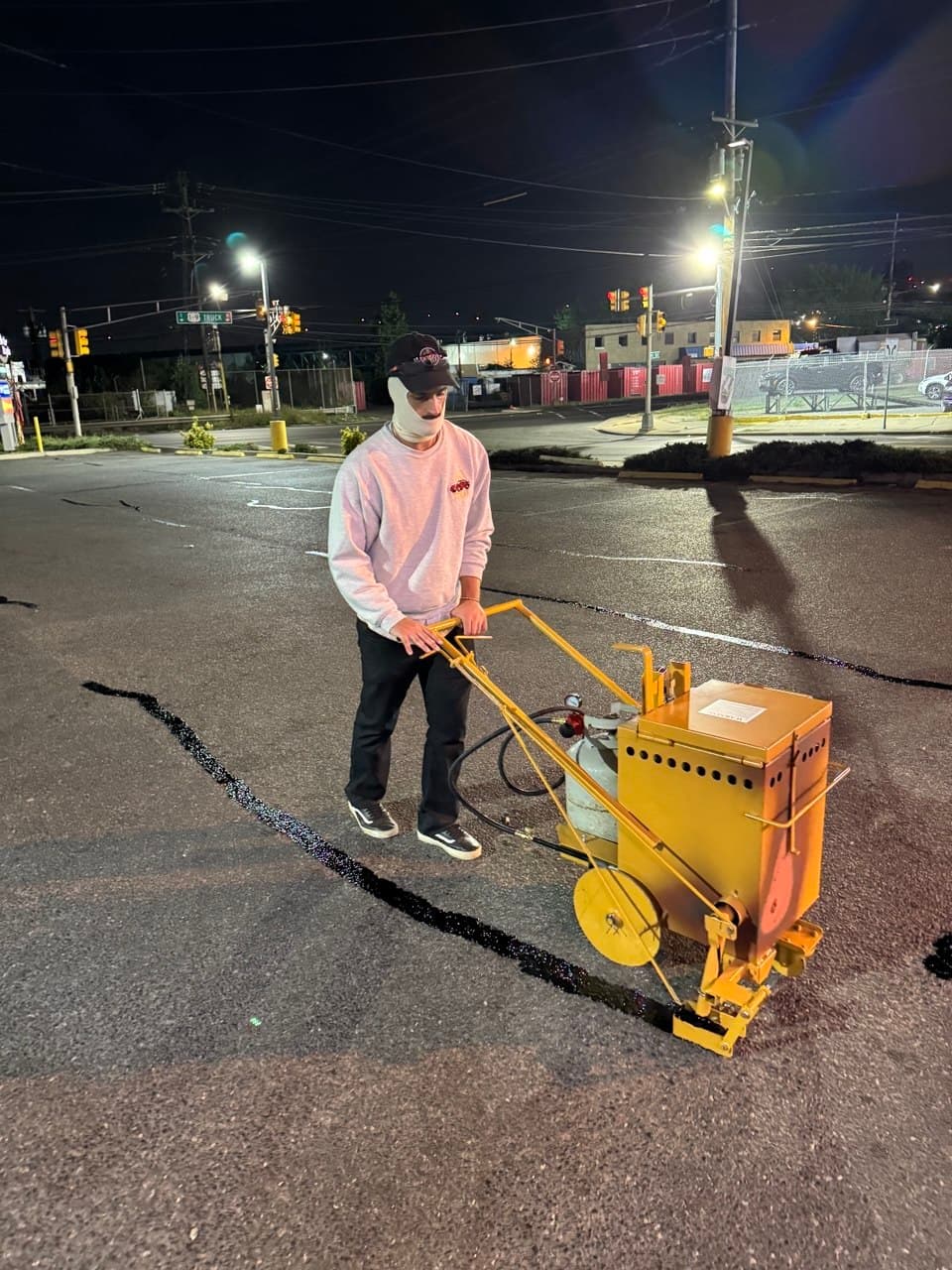
- Fill cracks with hot rubber crack sealing. Any crack wider than a hairline needs to be filled with hot-pour rubberized crack sealant before sealcoating. This flexible material expands and contracts with temperature changes, keeping water out of the subbase. Our crack sealing service is often performed as a companion to sealcoating for exactly this reason.
- Clean oil stains. Oil and petroleum products break down asphalt binder and prevent sealant from adhering. Significant oil stains need to be treated with a primer or oil spot sealer before the sealcoat application. Small spots can sometimes be addressed with degreaser and vigorous scrubbing.
- Power wash the entire surface. Dirt, dust, debris, leaves, and loose aggregate must be removed for the sealant to bond directly to the asphalt. We power wash or use industrial blowers to ensure a clean surface before application.
- Repair potholes and significant damage. Sealcoating is a surface treatment — it cannot fix structural damage. Potholes, alligator cracking, and base failures need to be cut out and patched with new asphalt before sealcoating. Sealing over damaged areas just hides the problem temporarily and wastes material.
When you hire Sterling for a parking lot sealcoating project, we inspect the surface and recommend any necessary prep work before scheduling the sealcoat application. Skipping preparation is the most common reason sealcoats fail prematurely.
Why Fall Is the Smart Time to Book
While summer gets all the attention as sealcoating season, fall is quietly the smartest time to schedule your project. Here's why experienced property managers book their sealcoating in September and October:
- You avoid the spring rush. Every spring, property managers who've been staring at deteriorating lots all winter suddenly decide it's time to sealcoat. The result is a flood of requests in April and May, leading to longer wait times and tighter scheduling. By booking in fall, you skip that bottleneck entirely.
- You protect your lot before winter's freeze-thaw cycles. This is the biggest reason to sealcoat in fall. Winter is brutal on unprotected asphalt in New Jersey. Water seeps into cracks, freezes, expands, and widens those cracks with every cycle. A fresh sealcoat applied in September or October seals those entry points before the first freeze, potentially preventing thousands of dollars in spring repairs.
- Schedule flexibility is better. With fewer projects competing for attention in fall, we can often accommodate preferred dates and timing more easily. Need the work done over a weekend to minimize business disruption? Fall scheduling makes that much more feasible.
- You may find better pricing. Like many seasonal services, demand drops in the shoulder seasons. Some contractors, including us at times, offer more competitive pricing in fall to keep crews productive before the winter shutdown.
The ideal strategy? Use winter to assess and plan, schedule your crack sealing and repairs for early spring, and book your sealcoat for September. You get the best of every season.
Get Your Parking Lot Ready
Whether you're maintaining an existing lot or planning the first sealcoat on new asphalt, timing matters. Getting the right conditions, the right preparation, and the right schedule can double the lifespan of your sealcoat and save you significant money on long-term pavement maintenance.
Sterling Pavement provides professional parking lot sealcoating, driveway sealcoating, and crack sealing services throughout New Jersey. We handle projects of all sizes — from single residential driveways to multi-acre commercial lots — and we never cut corners on preparation or timing.
Ready to schedule your sealcoating project? Contact us for a free estimate and let's find the right window for your property.
Need Parking Lot Sealcoating Services?
Sterling Pavement provides professional parking lot sealcoating across New Jersey.